Your Smart Home, Your Data: Understanding the EU Data Act's Impact on Home IoT Security

If you own a smart home device in the European Union, a groundbreaking new regulation just transformed your relationship with the data your devices generate. The EU Data Act, which became applicable on September 12, 2025, represents one of the most significant consumer protection laws in the Internet of Things era—and it puts you back in control of your smart home data.
 Secure IoT Office
What Is the EU Data Act?
The EU Data Act is a comprehensive regulation that became applicable on September 12, 2025, designed to empower users by giving them greater control over data generated by their connected devices. Think of every smart device in your home: your smart thermostat, security cameras, smart speakers, connected refrigerators, fitness trackers, and smart TVs. All of these devices constantly generate data about your habits, preferences, and daily life.
Until now, manufacturers often retained exclusive control over this data. The Data Act prevents manufacturers or service providers from retaining exclusive control over data generated by connected devices, encouraging competition and better service options for customers.
Your New Rights as a Smart Home Owner
The Right to Access Your Data
Under the Data Act, data holders must make data available to users free of charge, in a comprehensive, structured, machine-readable format, continuously and in real time. This means if you own a smart security system, you can now request all the data it collects—motion detection logs, video footage metadata, sensor readings—and the manufacturer must provide it to you without charge.
The Right to Share Your Data
Perhaps even more revolutionary is your new ability to share your smart home data with third parties. Upon user request, the data holder must transmit data to a designated third party on the same technical terms as for the user.
Real-world example: Imagine your smart thermostat has been collecting energy usage data for years. Under the Data Act, you can now request that data and share it with:
- An independent energy consultant to optimize your home's efficiency
- A solar panel installer to design a custom system for your usage patterns
- A competing smart home platform if you decide to switch ecosystems
Freedom from Vendor Lock-In
The Data Act also tackles cloud service switching. Customers of data processing services may seamlessly switch providers, with the ability to terminate existing cloud and related services with two months' notice. This means if you're unhappy with your smart home hub's cloud service, switching to a competitor becomes significantly easier.
What This Means for Your Smart Home Security
Increased Transparency
Starting September 12, 2026, all new connected products placed on the EU market must incorporate "access by design" principles, meaning products must be designed so users can access their data easily, securely, free of charge, in a comprehensive, structured, commonly used and machine-readable format, continuously and in real time.
This design requirement fundamentally changes how manufacturers approach smart home security. They can no longer treat your data as their proprietary asset—it must be accessible to you from day one.
Enhanced Privacy Control
The Data Act works alongside GDPR to give you unprecedented control over your personal information. Where personal data is involved, GDPR-level fines apply, up to €20 million or 4% of global turnover, whichever is higher. This creates powerful incentives for manufacturers to take your data rights seriously.
Better Security Practices
The Act requires providers to implement measures to prevent unlawful data transfers, which means manufacturers must build robust security into their smart home devices to protect your data when it's shared or accessed.
Practical Steps for Smart Home Owners
1. Inventory Your Connected Devices
Make a list of all IoT devices in your home:
- Smart speakers and displays
- Security cameras and doorbells
- Smart locks and garage door openers
- Connected thermostats and HVAC systems
- Smart lighting and plugs
- Home entertainment systems
- Smart appliances (refrigerators, washing machines, etc.)
- Health and fitness wearables
2. Understand What Data They Collect
For each device, research what data it generates. This includes information like usage patterns, performance stats, error logs, or energy consumption. Most manufacturers must now provide this information more clearly in their terms of service.
3. Review Your Rights
Contact your device manufacturers to understand:
- How to request access to your data
- What format the data will be provided in
- How long it takes to process data requests
- Whether they charge for archived data retrieval (permitted under certain circumstances)
4. Consider Third-Party Services
With your newfound data portability rights, explore services that can help you:
- Optimize your home's energy efficiency
- Enhance your home security through independent monitoring
- Consolidate data from multiple smart home ecosystems
- Provide better privacy protections
Important Limitations and Protections
Not All Data Is Covered
The obligations apply to raw data generated by IoT products or services and related metadata, but not to data derived from such data. For example, while you're entitled to your smart thermostat's temperature readings, the manufacturer's proprietary algorithms that analyze that data may not be included.
Legacy Devices
Products already on the market before September 12, 2025 do not need to be redesigned to provide direct access, though manufacturers must still share data with third parties upon request. If you own older smart home devices, you may not get the seamless "access by design" experience, but your fundamental data rights still apply.
Trade Secret Protections
Data recipients are obliged to protect trade secrets and agree on measures necessary to preserve confidentiality of shared data. This means that while you can access and share your data, there are safeguards to prevent abuse of manufacturers' proprietary information.
The Competitive Advantage
The Data Act creates significant opportunities for innovation in the smart home space. Users might choose to share their smart home data with energy optimization services, their vehicle data with insurance companies, or their health device data with medical professionals. This opens up entirely new ecosystems of services designed around your specific needs.
Imagine:
- Independent security monitoring services that work with any brand of camera
- Energy management platforms that optimize across all your smart devices, regardless of manufacturer
- Universal smart home controllers that truly integrate every device, without being locked to one ecosystem
- Privacy-focused data analytics that work on your terms
Looking Ahead: What's Next?
September 2026: Enhanced Design Requirements
Product and service design obligations apply to connected products placed on the market after September 12, 2026. If you're planning to purchase new smart home devices, those bought after this date will have built-in data accessibility features that make exercising your rights even easier.
Ongoing Enforcement
EU Member States are currently establishing their enforcement frameworks and designating supervisory authorities. Failure to comply with the EU Data Act can result in serious financial sanctions, likely similar to GDPR fines. This regulatory pressure ensures manufacturers take compliance seriously.
Model Contractual Terms
The EU Commission is developing Model Contractual Terms on data access and use, including terms on reasonable compensation and protection of trade secrets. These will provide clearer guidance for both consumers and manufacturers on how data sharing should work in practice.
Privacy and Security Considerations
While the Data Act empowers you with new rights, it also comes with responsibilities:
Be Selective About Third-Party Sharing: Just because you can share your smart home data with third parties doesn't mean you should share it with everyone. Research any company before granting them access to your data.
Understand the Terms: When sharing data with third-party services, read their privacy policies and terms of service. The Data Act gives you control, but you must exercise it wisely.
Monitor Your Data Flows: Keep track of which third parties have access to your data and periodically review whether you still want them to have that access.
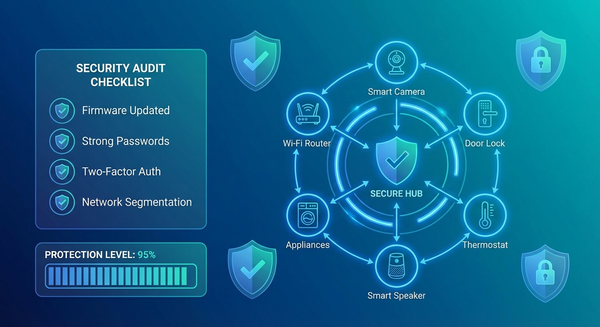
Security Best Practices Still Apply: Data portability doesn't eliminate the need for strong passwords, two-factor authentication, regular firmware updates, and other security fundamentals.
The Bigger Picture
The Data Act is a powerful engine for innovation and new jobs, allowing the EU to ensure it is at the forefront of the latest wave of data-driven advancements. For smart home owners, this means:
- More choice in services and providers
- Better prices through increased competition
- Innovation driven by your actual needs rather than manufacturer lock-in
- Enhanced privacy protections with real enforcement teeth
- Greater transparency about what your devices are actually doing
The regulation represents a fundamental shift in power dynamics. Your smart home devices work for you—and now the data they generate truly belongs to you as well.
Take Action Today
The EU Data Act is already in effect, which means your rights are active right now. Don't wait for manufacturers to proactively inform you—take control:
- Audit your smart home: Document all your connected devices
- Request your data: Contact manufacturers and exercise your access rights
- Explore alternatives: Research third-party services that can enhance your smart home experience
- Stay informed: Follow updates as enforcement frameworks mature
- Demand compliance: If manufacturers refuse your legitimate data requests, file complaints with your national data protection authority
The smart home revolution promised convenience and efficiency. The EU Data Act ensures it delivers on those promises while respecting your fundamental rights to privacy, security, and control over your digital life.
The EU Data Act applies to connected products and services placed on the EU market. If you're outside the EU, check your local regulations for similar protections. This article provides general information and should not be considered legal advice.
About SecureIoT.House: We provide practical guidance on securing your smart home and understanding your rights in the connected device ecosystem. Stay informed about IoT security, privacy regulations, and best practices for protecting your digital home.