Samsung's $1,800 Refrigerators Now Display Ads: A Wake-Up Call for Smart Home Security


The smart home revolution promised convenience, efficiency, and a glimpse into the future. But Samsung's recent decision to push advertisements to its premium Family Hub refrigerators—devices costing between $1,800 and $3,500—has sparked outrage and raised serious questions about the true cost of our connected homes.
The Ad Invasion Begins
Samsung is rolling out a new software update to its Family Hub refrigerators in the US. The update adds promotions and advertisements to the refrigerator's display when it is idle. The company frames this as a "pilot program" designed to "offer promotions and curated advertisements on certain Samsung Family Hub refrigerator models in the U.S. market."
Key details about the ad rollout:
- Affected devices: Family Hub refrigerators starting at $1,800
- Ad placement: Cover Screens when the display is idle
- Limited opt-out: Ads appear on Weather, Color, and Daily Board themes but not on Art Mode or photo galleries
- Dismissible but not disableable: Users can dismiss individual ads, but cannot turn off advertising entirely
- Complete removal: Only possible by disconnecting the refrigerator from the internet, which disables smart features
Consumer Backlash and Industry Concerns
The response has been swift and largely negative. Social media reactions range from hilarious to furious, with users joking about needing to "watch a 30 second ad to open the fridge" and expressing genuine concern about spending "almost $2 grand to have ads on my fridge."
This backlash isn't just about inconvenience—it represents a fundamental breach of trust. Back in April, Samsung's head of R&D for digital appliances told The Verge that the company had no plans to bring ads to its smart home displays, but it appears to have changed its mind pretty quickly.
The Broader Security and Privacy Implications
Samsung's advertising rollout is more than a customer service issue—it's a security and privacy red flag that highlights several critical concerns for smart home owners.
Data Collection and Targeting
Ads are most effective when they are tailored and personalized, so there is an inherent presumption of data collection in some form for this "service enhancement." Smart refrigerators with cameras and sensors can potentially collect data about:
- Household routines and schedules
- Food consumption patterns
- Family size and demographics
- Kitchen usage analytics
The Slippery Slope of Monetization
Samsung's latest $1,100 Bespoke AI Jet Ultra vacuum and its $2,300 Bespoke AI Oven all have screens, suggesting there's no reason Samsung couldn't update these appliances to display ads as well. This creates a concerning precedent where any device with a screen becomes a potential advertising platform.
Once ads show up on a refrigerator, it potentially paves the way for even more pervasive monetization throughout the home. It is an experiment to see how much post-purchase changes consumers are willing to accept on essential devices.
Network Security Vulnerabilities
The requirement to maintain internet connectivity for smart features creates ongoing security risks:
- Attack surface expansion: Every connected device is a potential entry point for hackers
- Firmware manipulation: Over-the-air updates can introduce new vulnerabilities or unwanted features
- Data transmission risks: Continuous connectivity means continuous data exposure
Smart Home Privacy: A Growing Concern
Samsung's advertising move reflects broader privacy challenges facing smart home users. Recent research shows that local network protocols used by IoT devices are not sufficiently protected and expose sensitive information about the home and device usage, with this information being collected in an opaque way to create profiles of habits and socioeconomic levels.
The Privacy Paradox
Research shows that 72% of consumers are concerned about the security of personal data collected and transmitted by smart devices, while 62% feel it is impossible to keep their data completely private. Despite these concerns, smart home adoption continues to grow, creating what experts call the "privacy paradox."
Data Fingerprinting Risks
Studies show that smart homes with unique hardware addresses, UUIDs, and device names can be fingerprinted as uniquely as one in 1.12 million homes, compared to browser fingerprinting which identifies individuals as one in 1,500 people. This level of identification capability makes households extremely vulnerable to targeted surveillance and advertising.
Protecting Your Smart Home: Essential Security Measures
While Samsung's advertising rollout raises serious concerns, smart home owners can take proactive steps to protect their privacy and security.
Network-Level Protection
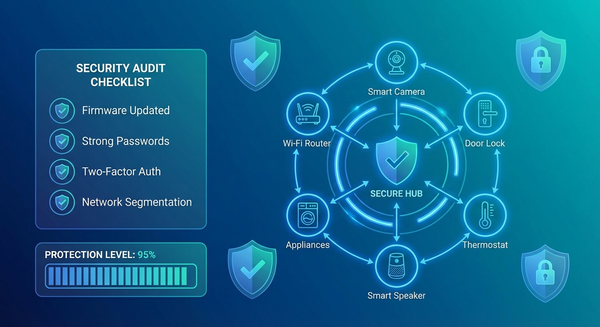
1. Segregate Your Smart Devices
Set up a guest network specifically for your smart devices, keeping your computers and smartphones separate. This way, if a smart device is compromised, a hacker will still have difficulty accessing your other devices because they're on a different network.
2. Implement Network-Wide Ad Blocking
Pi-hole, a DNS server with filtering capabilities, can ensure that all devices on your network, including TVs and smart home gadgets, are protected from tracking and advertising.
3. Upgrade Your Router Security
Use WPA3 encryption where available, change default passwords and network names, and keep firmware updated to protect against known vulnerabilities.
Device-Level Security
1. Research Before You Buy
Check if a manufacturer or product has had any privacy or security breaches recently, and examine what security or privacy features the device offers and how you can configure those settings.
2. Manage Privacy Settings
Look at privacy settings on your smart home devices and adjust them to control how long your video or audio will be saved and whether you can prevent your information from being sent to the manufacturer.
3. Keep Devices Updated
Set updates to happen automatically so you don't forget. If your device is older and can no longer receive updates, consider replacing or retiring that item.
The Future of Smart Home Monetization
Samsung's refrigerator ads represent a test case for how much post-purchase monetization consumers will tolerate. The Korean tech giant's Vision AI Companion already provides "personalized recommendations" for TVs, with the end goal of placing AI-enabled smart home speakers throughout the home that can talk to users and set up calendar events—and potentially advertise as well.
Industry Trends to Watch
- Subscription services: Many manufacturers are moving toward subscription-based features and services
- Data monetization: Companies increasingly view user data as a revenue stream
- Post-purchase feature changes: More devices may receive significant functionality changes via software updates
 Secure IoT Office
Making Informed Choices
The Samsung advertising controversy serves as a crucial reminder that smart home convenience comes with hidden costs. As consumers, we must:
- Read privacy policies carefully before purchasing connected devices
- Understand data collection practices and what information we're sharing
- Implement robust security measures to protect our home networks
- Stay informed about manufacturer policy changes and updates
- Vote with our wallets by supporting companies that prioritize user privacy
The Bottom Line
"The scary part is while most of us hate this, it sadly will get normalized one day," warns one concerned consumer. Samsung's refrigerator ads may be just the beginning of a broader shift toward advertising-supported smart home devices.
The question isn't whether we should embrace smart home technology—it's whether we'll demand better privacy protections and transparent practices from the companies that make these devices. As the Internet of Things continues to expand into every corner of our homes, the decisions we make today about privacy, security, and corporate accountability will shape the connected future we all have to live with.
For smart home enthusiasts at SecureIoT.house, Samsung's advertising rollout should serve as both a warning and a wake-up call. The convenience of connected devices is undeniable, but so is our responsibility to understand and protect against the privacy and security risks they introduce. The future of smart homes depends not just on technological innovation, but on our collective demand for security, privacy, and respect for the sanctity of our connected sanctuaries.
Stay informed about the latest smart home security developments and protect your connected home by following SecureIoT.house for expert analysis, security tips, and privacy protection strategies.